A driveway or parking lot does not need to be replaced every time it starts looking worn. That simple idea is behind many sustainable asphalt paving trends: use materials wisely, prevent avoidable damage, and build surfaces that last longer before they need major work. For Long Island homeowners, property managers, and business owners, sustainability is often less about chasing a label and more about controlling long-term repair costs while keeping the property safe and presentable.
Asphalt is already one of the most recycled construction materials in the country. The real difference comes from how a project is planned, what materials are used, and whether routine maintenance is handled before small issues become expensive ones.
Sustainable Asphalt Paving Trends Property Owners Should Know
Reclaimed asphalt is becoming a practical standard
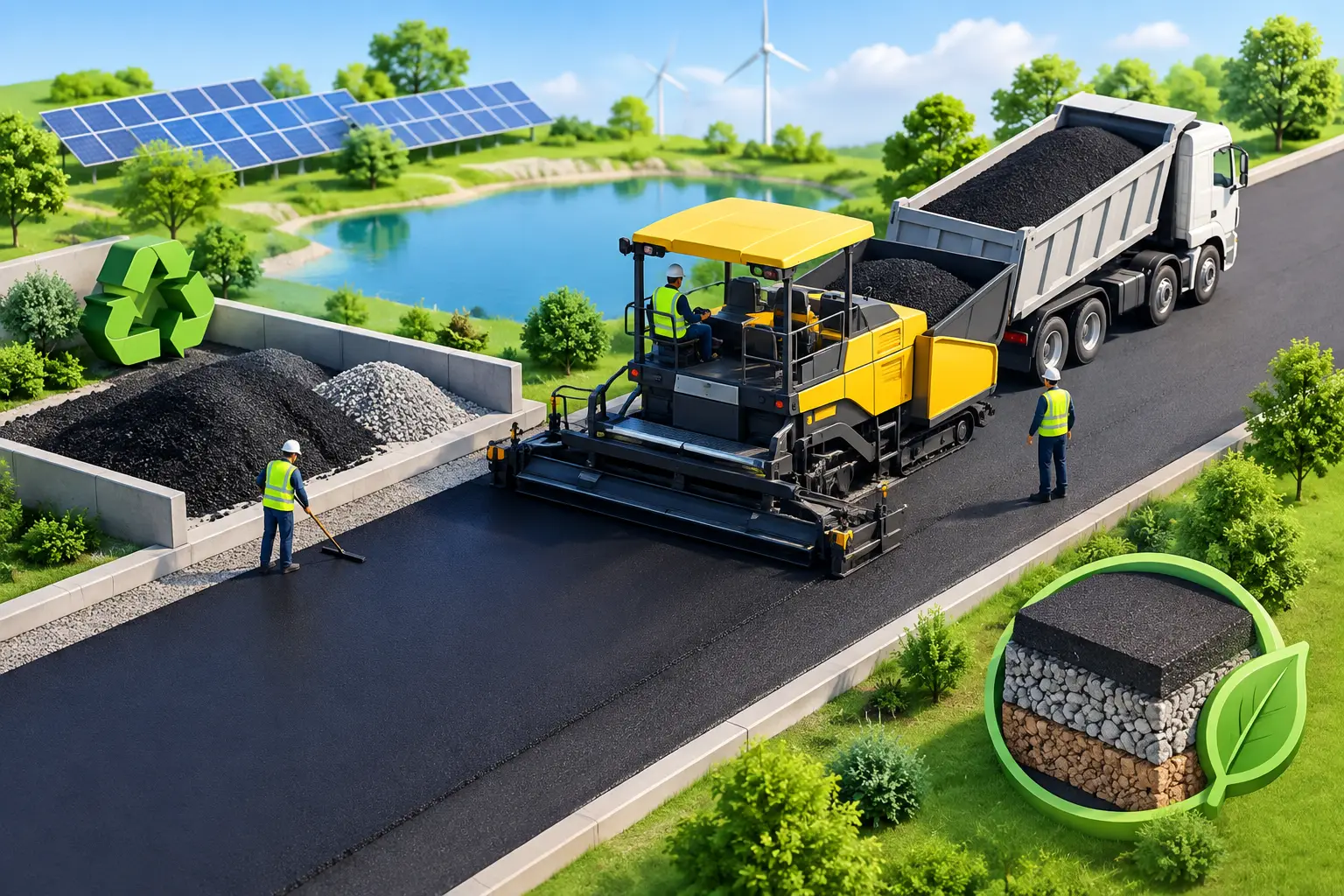
Reclaimed asphalt pavement, often called RAP, is old asphalt that has been milled up, processed, and blended into new asphalt mixes. Instead of sending removed pavement to a landfill, contractors can reuse valuable aggregate and binder from the existing material.
For customers, the benefit is straightforward: recycling asphalt can reduce demand for newly mined stone and new asphalt binder. It can also help control material costs, especially on larger commercial paving jobs. The amount of recycled material that makes sense depends on the mix design, traffic load, weather conditions, and the condition of the existing pavement. A heavily traveled parking area may need a different mix than a residential driveway.
Using recycled material should never mean accepting lower-quality work. Proper grading, compaction, drainage, and installation still decide whether a paved surface performs well. A good contractor selects materials for the job rather than treating every driveway and lot the same.
Warm-mix asphalt can lower production energy
Traditional hot-mix asphalt is produced and placed at high temperatures. Warm-mix asphalt uses additives or plant processes that allow asphalt to be mixed and installed at lower temperatures while still meeting performance requirements.
Lower temperatures can reduce fuel use at the asphalt plant and may reduce fumes around the work area. It can also improve workability in certain conditions, which can help crews achieve proper compaction. That matters because poorly compacted asphalt is more likely to let in water and break down early.
Warm-mix asphalt is not automatically the right choice for every project. Availability varies by supplier, and local weather and paving schedules matter. Still, it is a useful option to discuss when planning a new driveway, parking lot, or pavement replacement.
Pavement preservation is getting more attention
The most affordable pavement is often the pavement you do not have to replace yet. Sealcoating, crack filling, drainage corrections, and timely repairs are some of the most practical sustainability measures available to property owners.
Water is asphalt’s biggest enemy. Once it enters cracks and reaches the base below the surface, it can weaken the structure and lead to potholes, raveling, and sections that need to be removed. A crack that could have been sealed early can turn into a much larger repair after a Long Island winter.
Sealcoating does not repair structural damage, and it cannot fix a driveway that has already failed from poor drainage or a weak base. But when asphalt is still in sound condition, regular sealing helps protect it from sun, water, oil drips, and normal wear. Extending the life of an existing surface reduces the need for new materials and disruptive replacement work.
Better drainage is part of greener paving
Sustainable paving is not only about the asphalt mix. It is also about where rainwater goes after it hits the surface. Standing water shortens pavement life, creates slippery areas, and can contribute to drainage problems around a building.
A well-planned project starts with the slope. Water should move away from garages, foundations, entrances, and low spots where it can sit on the pavement. Depending on the property, solutions may include regrading, catch basins, drainage swales, or permeable areas around the paved surface.
Permeable paving systems are also receiving more attention for locations where stormwater management is a major concern. These systems can allow water to move through the surface and into a prepared stone base below. They are not a one-size-fits-all answer. They require the right soil conditions, base design, maintenance, and traffic expectations. For a standard residential driveway, improving drainage and protecting the existing asphalt may be the more practical investment.
Smarter repairs reduce unnecessary removal
Full replacement has its place. If a driveway has widespread alligator cracking, major settling, drainage failure, or a base that has broken down, resurfacing alone may only hide the problem for a short time. In those cases, removing damaged asphalt and rebuilding the base is the honest solution.
But not every defect calls for a complete tear-out. Targeted patching can address isolated potholes or failed sections. Milling and overlay work can restore a worn surface when the base is stable and the correct elevations can be maintained. Crack repair and sealcoating can preserve pavement that still has years of service left.
The sustainable choice is not always the smallest repair or the lowest upfront price. It is the option that fixes the actual problem and avoids paying twice for the same area. A clear on-site evaluation helps property owners make that decision with fewer surprises.
How Sustainable Asphalt Paving Trends Affect Your Budget
Some sustainable choices can cost more upfront. Better drainage work, a thicker base, or a more involved repair process may add to the initial estimate. However, these details can prevent early cracking, puddling, and repeated patching that costs more over time.
Other choices can be budget-friendly from the beginning. Preserving an existing driveway through crack sealing and sealcoating is generally far less expensive than replacement. Reusing suitable asphalt materials can also support more efficient material use on the job.
The key is to compare the expected service life, not just the first number on the estimate. Ask what is causing the damage, whether the base is stable, how water will drain, and what maintenance the new surface will need. Straight answers to those questions are more valuable than a quick fix that looks good for one season.
Equipment and job-site practices matter, too
The paving industry is also improving the way work is performed. Better-maintained equipment uses fuel more efficiently and helps crews complete jobs without unnecessary delays. Careful material ordering reduces leftover waste, while proper milling allows old asphalt to be collected for recycling rather than mixed with general debris.
For customers, a well-run job site is easy to recognize. The crew arrives as scheduled, protects nearby areas, keeps the work area organized, and explains what is happening before changes are made. Those habits are not just good customer service. They also reduce waste, rework, and disruption to homes, tenants, customers, and employees.
Choosing the Right Approach for Your Property
A sustainable pavement plan should fit the property, not follow a trend for its own sake. A homeowner with a few surface cracks may benefit most from maintenance. A landlord dealing with recurring potholes may need drainage corrections and base repair. A commercial property with heavy delivery traffic may need a stronger asphalt design that can hold up under regular loading.
Before scheduling paving work, take a close look at water flow, cracked areas, soft spots, vehicle traffic, and the age of the surface. Photographs can help track whether cracks and puddles are getting worse from season to season. If the pavement is failing in the same spot repeatedly, there is usually a reason below or around the asphalt that should be addressed.
Big Apple Paving and Remodeling helps Long Island property owners look beyond the surface and choose practical paving, repair, and sealcoating work that fits their needs and budget. The best next step is often a straightforward estimate from a local crew that will explain the condition of the pavement, show up on time, and recommend work that makes sense for the years ahead.